
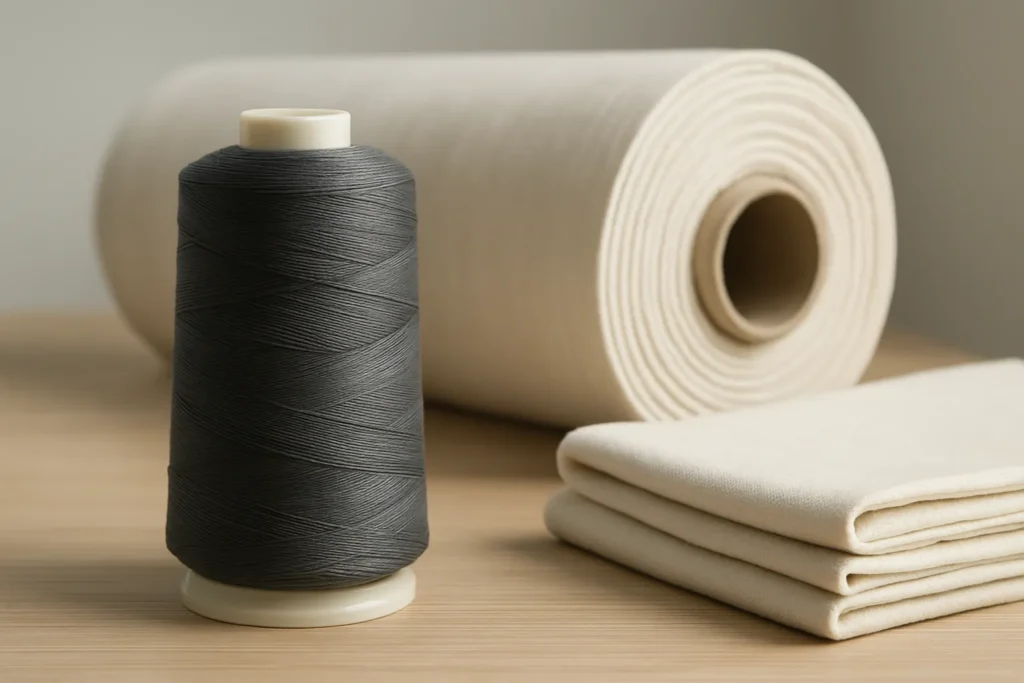
The Advantages of High-Tenacity Thread for Bulk Textile Purchases
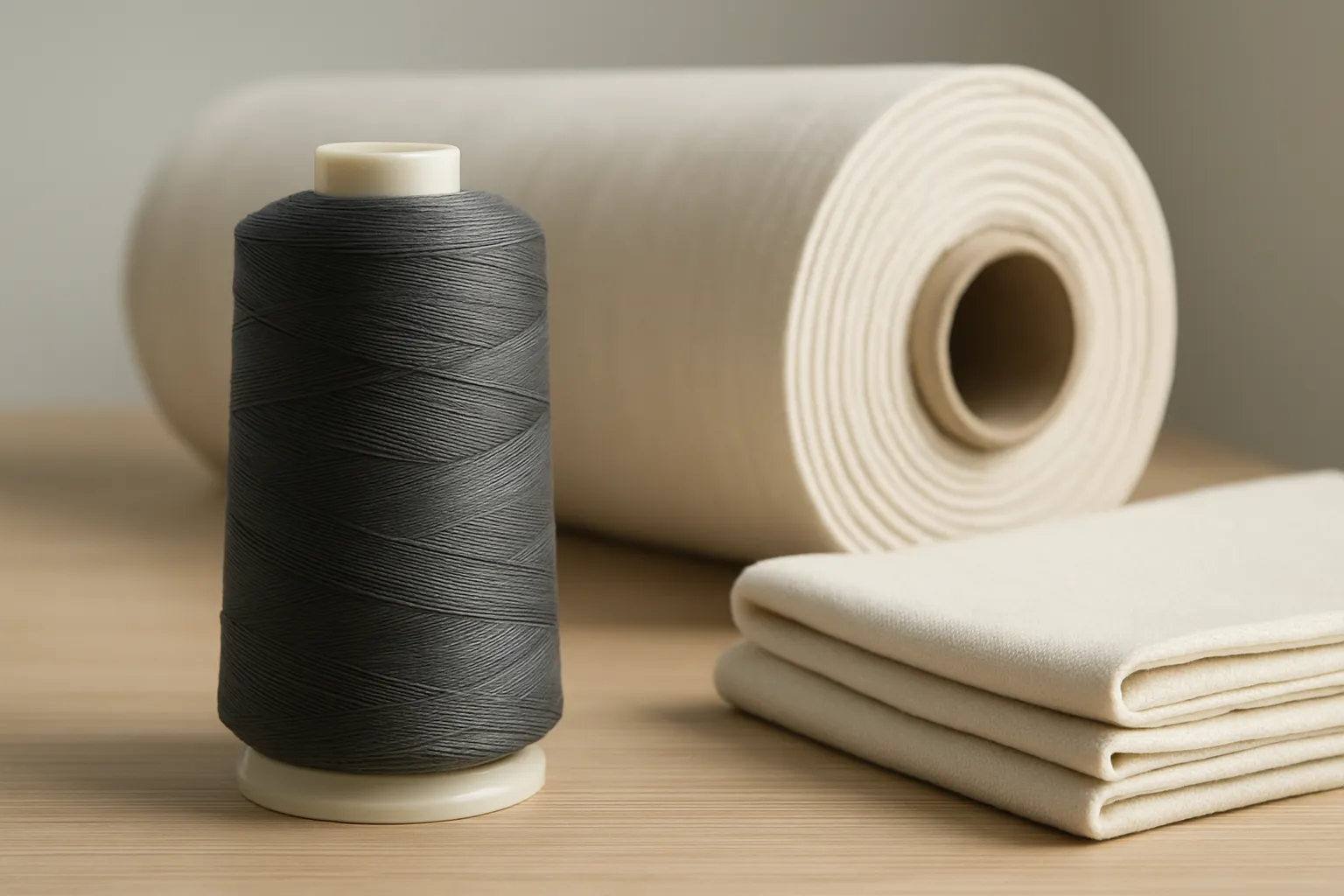
High-tenacity thread is a specialized type of thread crafted to endure significant tension and stress, making it a vital component in bulk textile purchases across various textile applications. Characterized by its exceptional strength, high-tenacity thread is engineered to resist breakage and wear, ensuring longevity in the products it helps create. In the textile industry, where durability and performance are crucial, the importance of high-tenacity thread cannot be overstated. It is increasingly becoming the preferred choice for manufacturers aiming to elevate the quality and reliability of their textile products. You can learn more about high-tenacity thread and its applications in our product range.
Specifications of High-Tenacity Thread
Strength and Durability
One of the most significant specifications of high-tenacity thread is its remarkable strength. This type of thread is built to withstand high stress levels, making it ideal for applications where traditional threads might falter. High-tenacity threads exhibit tensile strengths that can be several times higher than those of standard threads, allowing them to perform exceptionally well under demanding conditions.
Composition and Material Types
Typically, high-tenacity threads are made from synthetic fibers such as nylon, polyester, or a blend of both. These materials are chosen for their ability to maintain strength while being lightweight, which is essential for numerous applications. The manufacturing process also includes specific treatments that enhance the thread’s resistance to abrasion and environmental factors, further boosting its durability.
Comparison with Standard Threads
When juxtaposed with standard threads, high-tenacity threads deliver superior performance across various metrics, including tensile strength, elongation, and resistance to environmental factors. While standard threads may suffice for lightweight applications, high-tenacity threads are indispensable for heavy-duty uses, such as in outdoor gear, automotive textiles, and industrial fabrics.
Use Cases for High-Tenacity Thread
Applications in Various Industries
High-tenacity thread finds applications across diverse industries, including automotive, aerospace, outdoor gear manufacturing, and medical textiles. For instance, in the automotive sector, high-tenacity thread is utilized in seatbelts, airbags, and upholstery, where safety and durability are paramount. In the outdoor gear industry, it is commonly found in tents, backpacks, and clothing designed for extreme conditions.
Benefits in Specific Textile Products
The advantages of using high-tenacity thread extend to various textile products, significantly enhancing their overall performance and lifespan. In apparel manufacturing, for example, garments made with high-tenacity thread exhibit improved resistance to tearing and fraying, which is especially valuable in activewear and workwear. Furthermore, high-tenacity threads can endure repeated washing and exposure to sunlight without degrading, making them ideal for outdoor applications.
Case Studies of Successful Implementations
Numerous companies have successfully integrated high-tenacity thread into their production processes, resulting in enhanced product quality and customer satisfaction. One notable example is a leading outdoor gear manufacturer that transitioned to high-tenacity thread for its tents. This change resulted in a 30% increase in product durability and significantly reduced warranty claims, illustrating the tangible benefits of high-tenacity thread in bulk textile purchases.
Sourcing High-Tenacity Thread
Identifying Reliable Suppliers
When sourcing high-tenacity thread, it is essential to identify reliable suppliers who can deliver consistent quality and performance. Businesses should seek manufacturers with a proven track record in the textile industry and positive reviews from other customers. Certifications and compliance with industry standards can also serve as indicators of a supplier’s credibility. For example, you can explore the Products – Pujiang Miaomiao Textile Technology Co., Ltd. page for various options.
Evaluating Quality and Standards
Quality evaluation is crucial when purchasing high-tenacity thread in bulk. Companies should request samples to conduct strength, durability, and performance tests under various conditions. Understanding the standards that the thread meets, such as ISO certifications, can also ensure that the thread will perform as expected in the intended applications.
Cost Considerations for Bulk Purchases
While high-tenacity thread may have a higher upfront cost compared to standard threads, businesses must consider the long-term savings associated with its durability. Bulk purchases can lead to reduced costs per unit, and the enhanced lifespan of products made with high-tenacity thread can lower replacement and warranty costs. Therefore, evaluating the total cost of ownership rather than just the initial purchase price is essential.
Implementation Strategies
Integrating High-Tenacity Thread into Production
Integrating high-tenacity thread into existing production processes requires thoughtful planning and consideration. Companies should assess their current machinery and processes to ensure compatibility with the new thread. Adjustments may be necessary regarding sewing techniques, needle types, and tension settings to optimize performance and prevent issues during production.
Training and Best Practices for Use
Training staff on the proper handling and use of high-tenacity thread is vital for maximizing its benefits. Establishing best practices, including guidelines for storage, threading, and maintenance of sewing equipment, can lead to improved outcomes. Regular workshops and training sessions can help ensure that employees are well-equipped to work with this specialized material.
Monitoring Performance and Quality Control
Once high-tenacity thread is implemented, it is crucial to monitor its performance continuously. Establishing a quality control system that includes regular inspections and performance testing can help identify any issues early on. Feedback from production teams can provide insights into the thread’s performance in real-world applications, allowing for ongoing improvements.
Comparisons with Alternative Threads
High-Tenacity vs. Regular Threads
The primary distinction between high-tenacity and regular threads lies in their performance capabilities. While regular threads may suffice for light-duty applications, high-tenacity threads are engineered for strength and durability, making them more suitable for demanding environments. This distinction is crucial for manufacturers aiming to produce high-quality, long-lasting products.
Performance Metrics Comparison
In terms of performance metrics, high-tenacity threads generally outperform regular threads in tensile strength, abrasion resistance, and longevity. This enhanced performance translates to fewer product failures and increased customer satisfaction, making high-tenacity threads a wise investment for businesses focused on quality.
Long-term Cost Benefits
While the initial investment in high-tenacity thread may be higher, the long-term cost benefits are significant. Products manufactured with high-tenacity thread tend to last longer, reducing the frequency of replacements and warranty claims. This longevity not only enhances customer loyalty but also contributes to a more sustainable business model by reducing waste.
Frequently Asked Questions
Common Misconceptions about High-Tenacity Thread
A common misconception is that high-tenacity thread is only suitable for heavy-duty applications. In reality, it can be utilized in a wide range of products, from everyday apparel to specialized industrial textiles, making it a versatile choice for manufacturers.
Maintenance and Care Tips
To maintain the integrity of products made with high-tenacity thread, it is essential to follow proper care instructions. This includes avoiding harsh chemicals during washing and ensuring that items are stored in a dry environment to prevent moisture-related damage.
Availability and Sourcing Challenges
While high-tenacity thread is becoming more widely available, sourcing challenges may still arise, particularly for specific colors or materials. Businesses should establish strong relationships with multiple suppliers to ensure a steady supply and consider diversifying their sourcing strategies to mitigate potential disruptions.
Conclusion
In conclusion, the benefits of using high-tenacity thread in bulk textile purchases are substantial. From its exceptional strength and durability to its wide range of applications across various industries, high-tenacity thread offers manufacturers the opportunity to enhance product quality and customer satisfaction. By understanding the specifications, sourcing strategies, and implementation practices associated with high-tenacity thread, businesses can position themselves for success in an increasingly competitive textile market.