Eco-Friendly Textiles: A Key to Sustainable Fashion
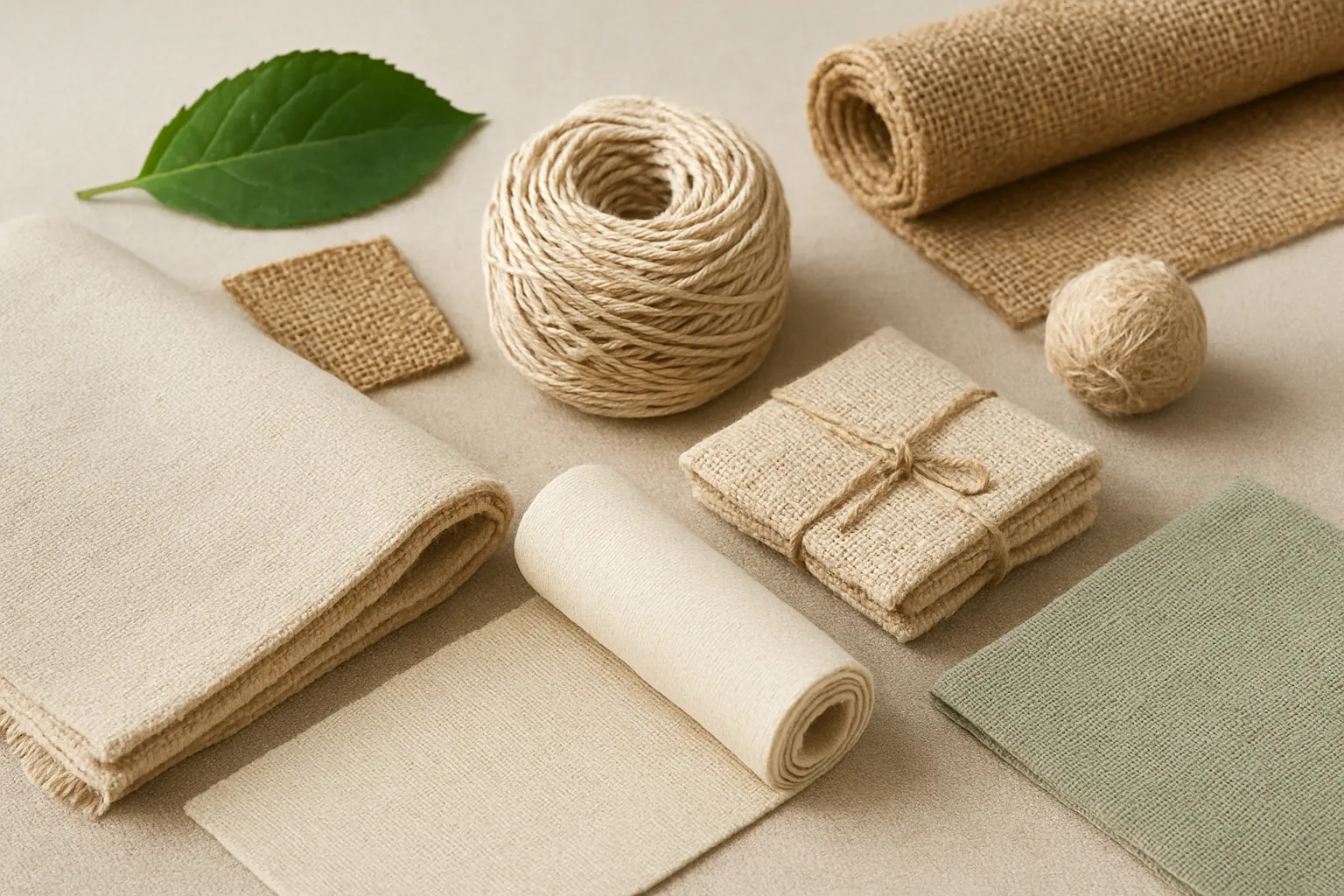
As the global demand for sustainable practices continues to rise, the textile industry is undergoing a significant transformation. Eco-friendly textiles, which are fabrics produced with minimal environmental impact, are becoming increasingly vital in apparel manufacturing. These textiles not only aim to reduce ecological footprints but also cater to a growing consumer base that prioritizes sustainability. In my experience, the push for eco-friendly textiles has reshaped how brands approach their supply chains and product development. In this article, we will explore various eco-friendly textile options, their specifications, use cases, and strategies for implementation in the apparel manufacturing sector. Eco-friendly textiles are essential for a sustainable future.
Types of Eco-Friendly Textile Options
The market offers a diverse range of eco-friendly textile options that manufacturers can incorporate into their production processes:
- Organic Cotton: Grown without synthetic pesticides or fertilizers, organic cotton is cultivated using sustainable practices that preserve soil health. This natural fiber is soft, breathable, and biodegradable, making it an ideal choice for a variety of apparel, from t-shirts to denim.
- Recycled Polyester: Derived from post-consumer plastic bottles and other recycled materials, recycled polyester reduces waste and conserves resources. It offers similar durability and versatility as traditional polyester, making it suitable for activewear, outerwear, and casual clothing. For more information on high-quality recycled materials, check out our Products page.
- Hemp Fabric: Known for its strength and durability, hemp fabric is a sustainable option that requires minimal water and no pesticides during cultivation. Hemp textiles are breathable, mold-resistant, and become softer with each wash, making them a popular choice for eco-conscious brands.
- Tencel and Lyocell: Made from sustainably sourced wood pulp, Tencel and Lyocell are biodegradable fibers that offer a luxurious feel. These textiles are produced in a closed-loop process, minimizing waste and environmental impact. Their moisture-wicking properties and softness make them ideal for both casual and high-end apparel.
Specifications and Standards
When considering eco-friendly textile options, manufacturers must be aware of various specifications and standards:
- Certifications for Eco-Friendly Textiles: Certifications such as GOTS (Global Organic Textile Standard), OEKO-TEX, and the USDA Organic label provide assurance of sustainable practices in textile production. These certifications help brands communicate their commitment to sustainability to consumers.
- Material Properties and Performance: Eco-friendly textiles often possess unique properties such as breathability, moisture-wicking, and durability. Manufacturers should evaluate these characteristics to ensure they meet the performance expectations of their target markets.
- Environmental Impact Assessments: Conducting assessments to understand the environmental impact of textile production is crucial. This includes evaluating water usage, carbon emissions, and the overall lifecycle of the materials used.
Use Cases in Apparel Manufacturing
Eco-friendly textiles have found their place across various segments of apparel manufacturing:
- Activewear and Sportswear: With the rise of athleisure, eco-friendly options like recycled polyester and Tencel are becoming popular in activewear. These materials offer the performance characteristics needed for high-intensity activities while maintaining sustainability.
- Casual and Everyday Wear: Organic cotton and hemp fabric are ideal for casual clothing lines. Their comfort and durability appeal to consumers looking for everyday wear that aligns with their eco-conscious values.
- High Fashion and Luxury Apparel: The luxury market is increasingly embracing eco-friendly textiles. Designers are incorporating Tencel and organic cotton into their collections, appealing to consumers who value both style and sustainability.
Comparing Eco-Friendly Textiles
When selecting eco-friendly textiles, manufacturers should consider several factors:
- Cost Analysis: While the initial cost of eco-friendly textiles may be higher than conventional options, the long-term benefits, including brand loyalty and reduced environmental impact, can outweigh these costs.
- Durability and Longevity: Eco-friendly textiles like hemp and recycled polyester are known for their durability, which can lead to longer-lasting products. This durability can enhance customer satisfaction and reduce returns.
- Aesthetic and Design Versatility: Eco-friendly textiles are available in various colors, patterns, and textures, allowing designers to create visually appealing products without compromising on sustainability.
Sourcing Eco-Friendly Textiles
To successfully implement eco-friendly textiles, manufacturers must focus on sourcing:
- Identifying Reliable Suppliers: Building relationships with suppliers who prioritize sustainability is essential. Manufacturers should conduct thorough research to ensure their suppliers adhere to eco-friendly practices.
- Evaluating Supply Chain Transparency: Transparency in the supply chain is crucial for ensuring that eco-friendly textiles are sourced ethically. Brands should seek suppliers who provide clear information about their sourcing and production processes.
- Importance of Local Sourcing: Sourcing textiles locally can reduce transportation emissions and support local economies. This approach aligns with the principles of sustainability and can enhance a brand’s image.
Implementation Strategies for Manufacturers
Integrating eco-friendly textiles into apparel manufacturing requires strategic planning:
- Integrating Eco-Friendly Textiles into Production: Manufacturers should assess their current production processes and identify areas where eco-friendly textiles can be incorporated. This may involve redesigning products or adjusting supply chains.
- Training and Educating Staff: Educating staff about the benefits of eco-friendly textiles and sustainable practices is essential for successful implementation. Training programs can enhance employee engagement and commitment to sustainability initiatives.
- Marketing Eco-Friendly Apparel: Effective marketing strategies are vital for promoting eco-friendly apparel. Brands should highlight the sustainability aspects of their products through storytelling, social media, and collaborations with eco-conscious influencers.
FAQs about Eco-Friendly Textiles
Common Misconceptions: Many believe that eco-friendly textiles compromise on quality or style. However, advancements in textile technology have led to high-performance, stylish options that meet consumer demands.
Cost vs. Benefit Analysis: While eco-friendly textiles may have a higher upfront cost, the long-term benefits, including customer loyalty and reduced environmental impact, can provide significant returns on investment.
Future Trends in Sustainable Textiles: The future of sustainable textiles looks promising, with innovations such as bio-fabrication and circular textile systems on the rise. Brands that stay ahead of these trends will likely gain a competitive edge in the market.
Conclusion
As the demand for sustainable practices continues to grow, exploring eco-friendly textile options is essential for apparel manufacturers. By understanding the types of eco-friendly textiles available, their specifications, and effective sourcing and implementation strategies, brands can position themselves as leaders in the sustainable fashion movement. I believe that by taking these steps, not only do they contribute to a healthier planet, but they also meet the evolving expectations of conscious consumers. For further reading, visit our Blog and About Us page.