
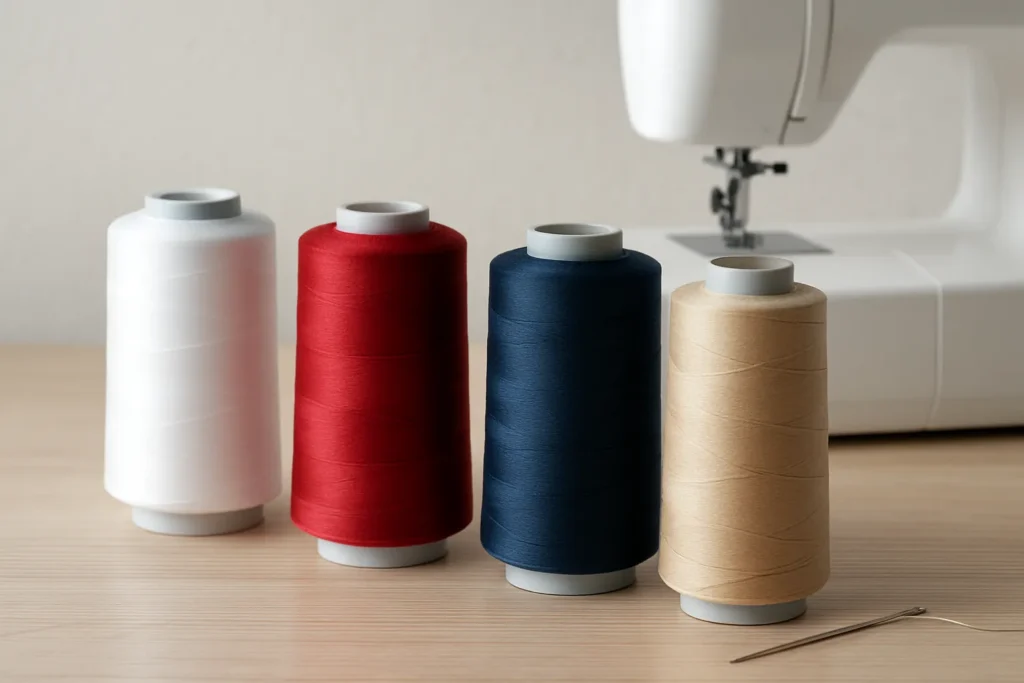
A Comprehensive Guide to Polyester Sewing Thread for Textile Suppliers
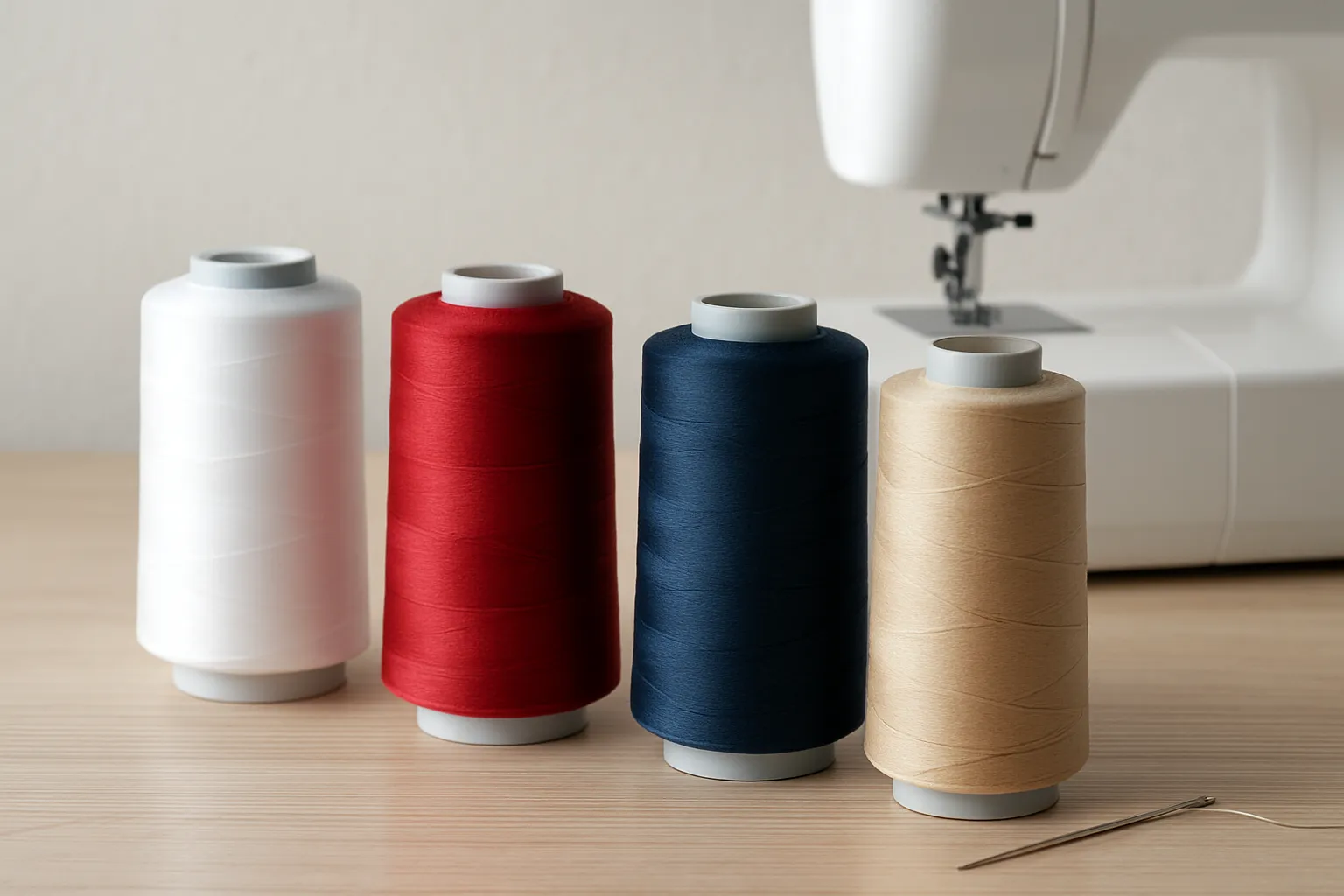
Explore the essential aspects of polyester sewing thread for textile suppliers, including specifications, use cases, and sourcing tips.
1. Introduction to Polyester Sewing Thread
Definition and Composition
Polyester sewing thread is a synthetic thread crafted from polyester fibers that originate from petroleum-based products. This type of thread is recognized for its remarkable strength, durability, and versatility, making it a favored choice among textile suppliers. The unique composition of polyester thread provides it with essential properties such as resistance to shrinkage, stretching, and fading, which are crucial for a variety of sewing applications.
Importance for Textile Suppliers
For textile suppliers, polyester sewing thread plays a vital role in the manufacturing process. Its robustness and ability to endure wear and tear render it ideal for a broad range of products, from clothing to upholstery. Understanding the characteristics and advantages of polyester thread allows suppliers to make informed decisions that enhance the quality of their textile offerings and fulfill the demands of their customers. For more options, check out our Products page.
2. Specifications of Polyester Sewing Thread
Types of Polyester Threads
Polyester sewing threads are available in several types, each tailored for specific applications. The most common types include:
- Continuous Filament Thread: Made from long strands of polyester, this thread is smooth and strong, making it ideal for high-speed sewing.
- Spun Polyester Thread: Crafted from short polyester fibers twisted together, this type offers a softer feel and better seam appearance, suitable for apparel.
- Textured Polyester Thread: This bulkier thread has a softer texture, making it perfect for decorative stitching and embroidery.
Thread Weight and Size
Thread weight is a crucial specification that influences both the sewing process and the final product’s appearance. Polyester sewing threads come in various weights, typically ranging from 30 to 120, with lower numbers indicating thicker threads. Textile suppliers should select the appropriate thread weight based on the fabric type and intended use.
Color Options and Fastness
Polyester sewing thread is offered in a wide spectrum of colors, enabling textile suppliers to match or contrast with the fabrics they utilize. Additionally, many polyester threads boast excellent color fastness, meaning they resist fading and bleeding during washing or exposure to sunlight, ensuring the longevity of the finished products. For more information on color options, you can refer to this industry reference.
3. Use Cases of Polyester Sewing Thread
Apparel Manufacturing
In the apparel sector, polyester sewing thread is favored for its strength and adaptability. It is frequently employed in the construction of garments, from everyday wear to high-performance activewear. Its capacity to stretch without breaking makes it ideal for seams that must withstand movement and tension.
Home Textiles
Polyester sewing thread is also extensively used in home textiles, such as curtains, upholstery, and bedding. The durability and resistance to fading render it a practical choice for items exposed to sunlight and regular use.
Industrial Applications
In industrial environments, polyester sewing thread is utilized to manufacture products like automotive interiors, outdoor gear, and heavy-duty fabrics. Its high tensile strength and resistance to chemicals make it suitable for demanding conditions.
4. Comparisons with Other Thread Types
Polyester vs. Cotton Thread
While cotton thread is appreciated for its natural feel and breathability, polyester thread surpasses it in strength and durability. Polyester is less prone to shrinkage and fading, making it a superior choice for items requiring longevity. However, cotton may be preferred for certain applications where a softer touch is essential.
Polyester vs. Nylon Thread
Nylon thread is another synthetic alternative, known for its elasticity. Although nylon is stronger than polyester, it can be more susceptible to UV damage and may degrade over time when exposed to sunlight. Polyester, conversely, offers a balance of strength and resistance to environmental factors, making it a more versatile option for many applications.
Performance Characteristics
When comparing polyester with other thread types, performance characteristics such as tensile strength, abrasion resistance, and heat resistance are critical. Polyester sewing thread generally delivers excellent performance in these areas, making it a reliable choice for various textile applications.
5. Sourcing Polyester Sewing Thread
Key Suppliers and Manufacturers
Textile suppliers seeking to source polyester sewing thread should consider reputable manufacturers known for their quality products. Leading suppliers often provide a range of options, including different types, weights, and colors, ensuring that suppliers can find the right match for their needs. For more information on our offerings, visit our About page.
Quality Assurance and Certifications
When sourcing polyester sewing thread, it’s essential to prioritize quality assurance and certifications. Suppliers should look for threads that meet industry standards, such as Oeko-Tex Standard 100, which guarantees that the thread is free from harmful substances.
Pricing Considerations
Pricing for polyester sewing thread can fluctuate based on factors like quality, type, and supplier. Textile suppliers should carefully evaluate their options, balancing cost with quality to ensure they provide the best products to their customers.
6. Implementation in Textile Production
Best Practices for Use
To maximize the benefits of polyester sewing thread, textile suppliers should adhere to best practices during the sewing process. This includes using the correct needle size and type, adjusting tension settings on sewing machines, and ensuring proper threading techniques to avoid issues such as breakage or uneven stitches.
Machine Compatibility
Polyester sewing thread is compatible with most sewing machines, but it’s vital to consult the manufacturer’s recommendations. Some machines may require specific settings or attachments to operate optimally with polyester thread, ensuring smooth operation and high-quality results.
Maintenance and Care
Proper maintenance of sewing equipment and thread storage is crucial for ensuring the longevity of polyester sewing thread. Suppliers should store thread in a cool, dry location away from direct sunlight to prevent degradation. Regular cleaning and maintenance of sewing machines will also help avoid thread-related issues.
7. Frequently Asked Questions
What is the best thread for specific fabrics?
The best thread for specific fabrics depends on the fabric type and intended use. For lightweight fabrics, a finer polyester thread is recommended, while heavier fabrics may require thicker threads for durability.
How to store polyester sewing thread?
Polyester sewing thread should be stored in a cool, dry place, away from direct sunlight. Keeping threads in their original spools or in sealed bags can help prevent tangling and damage.
What are common issues faced with polyester thread?
Common issues with polyester sewing thread include thread breakage, uneven stitches, and fraying. These challenges can often be resolved by adjusting machine settings, using the correct needle size, and ensuring proper tension.
Conclusion
Polyester sewing thread is an indispensable material for textile suppliers, offering a blend of strength, durability, and versatility. By understanding the specifications, use cases, and sourcing options for polyester thread, suppliers can enhance their product offerings and meet the diverse needs of their customers. Whether in apparel manufacturing, home textiles, or industrial applications, polyester sewing thread remains a reliable choice in the textile industry.