
Understanding the Importance of Decorative Sewing Thread in Home Textiles
Introduction to Decorative Sewing Thread
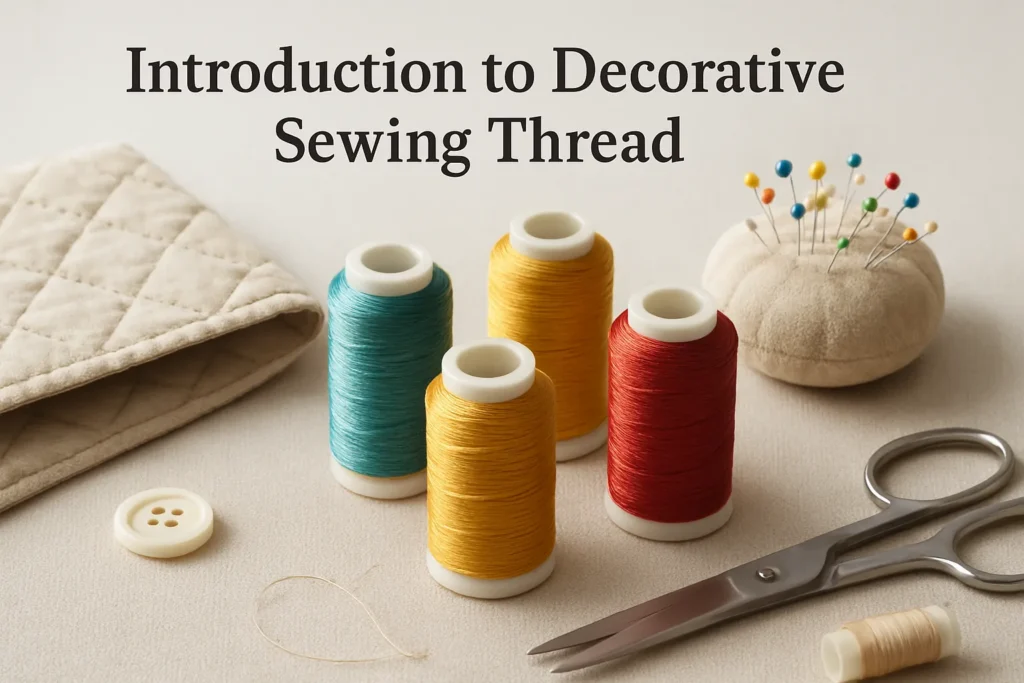
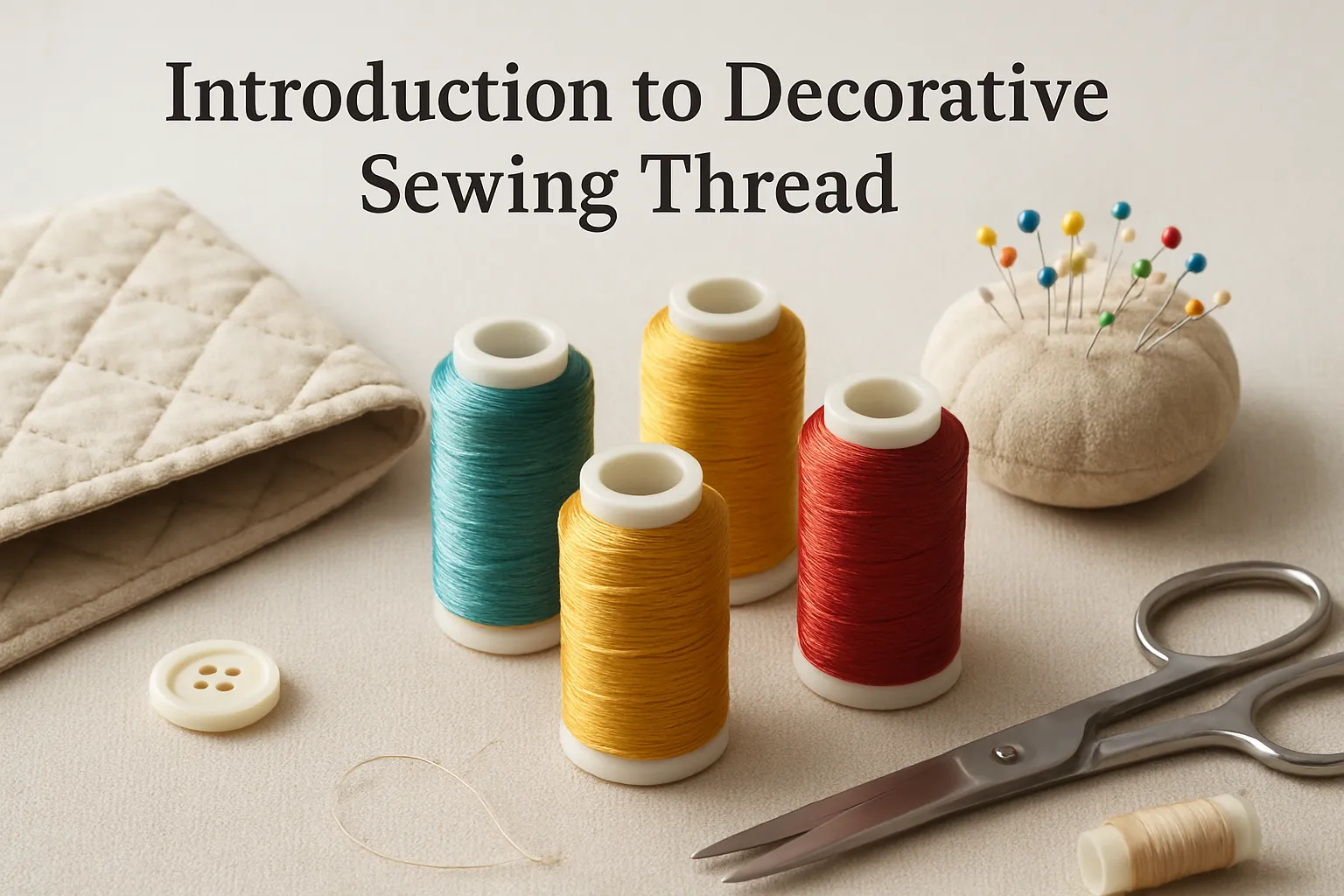
Decorative sewing thread is an essential element in the textile industry, particularly within the home décor segment. These specialized threads are crafted to enhance the visual appeal of fabrics and stitching, making them vital for adding unique textures, colors, and patterns to a variety of home textile products. Beyond aesthetics, decorative sewing thread also plays a significant role in improving the durability and functionality of the final product.
Home textiles include a wide array of items such as curtains, upholstery, quilts, and decorative pillows. With an increasing number of consumers seeking personalized and stylish home environments, the demand for decorative sewing thread has surged. This article delves into the specifications, applications, and sourcing strategies for decorative sewing thread, offering valuable insights for industry professionals.
Specifications of Decorative Sewing Thread
To select the right type of decorative sewing thread for specific applications, it is crucial to understand its specifications.
Types of Decorative Sewing Thread
There are numerous types of decorative sewing threads, each designed for unique purposes. Common varieties include metallic threads, embroidery threads, and specialty threads like variegated or textured threads. For example, metallic threads are often used to create eye-catching designs, while embroidery threads are preferred for intricate patterns.
Material Composition
The material composition of decorative sewing thread can vary significantly. Common materials include polyester, cotton, rayon, and nylon. Polyester threads are renowned for their strength and resistance to fading, making them ideal for outdoor textiles. Conversely, cotton threads are appreciated for their natural feel and breathability, which makes them suitable for indoor applications. For a wide range of sewing threads, visit our Products page.
Thread Weight and Thickness
Thread weight and thickness are critical factors when choosing decorative sewing thread. Thicker threads can produce bold, dramatic effects, while finer threads are more appropriate for delicate and detailed work. The weight of the thread is typically measured in denier or tex, with lower numbers indicating finer threads and higher numbers indicating thicker options.
Use Cases in Home Textiles
Decorative sewing thread significantly enhances both functionality and aesthetics across various home textile applications.
Upholstery Applications
In upholstery projects, decorative sewing thread is used to accentuate seams and add decorative stitching to furniture. It enhances the visual appeal of sofas, chairs, and cushions, providing a polished look that elevates the overall design.
Curtain and Drapery Design
For curtains and draperies, decorative sewing thread can be employed to create unique patterns and finishes. Specialty threads can add embellishments or create contrasting stitch lines, allowing designers to customize window treatments to match specific interior themes.
Quilting and Patchwork
Quilting and patchwork projects benefit immensely from decorative sewing thread. Not only can the thread be used to piece fabrics together, but it can also add decorative quilting stitches that enhance the overall design. Different thread types offer varying textures, making quilts more visually captivating.
Comparing Decorative Sewing Threads
When selecting decorative sewing threads, understanding the differences between natural and synthetic options, along with their respective costs and performances, is essential.
Natural vs. Synthetic Threads
Natural threads, such as cotton and silk, provide a soft feel and are biodegradable, often preferred for high-end or eco-friendly projects. In contrast, synthetic threads like polyester and nylon are valued for their durability and resistance to environmental factors. Each type has its advantages and is suited for different applications.
Cost Analysis
Cost is a significant factor when choosing decorative sewing thread. Natural threads tend to be more expensive due to their production processes, while synthetic threads are generally more affordable. However, the cost should be weighed against the intended use and desired quality of the final product.
Durability and Performance
Durability is crucial for home textiles, especially for items subjected to wear and tear, such as upholstery. Synthetic threads typically outperform natural threads in terms of strength and longevity. Nonetheless, for projects where aesthetics are paramount, natural threads may be preferred despite their lower durability.
Sourcing Decorative Sewing Thread
Identifying reliable suppliers and evaluating quality standards are vital steps in sourcing decorative sewing thread for business needs.
Identifying Reliable Suppliers
When sourcing decorative sewing thread, it is essential to partner with reputable suppliers that can consistently deliver high-quality products. Researching supplier reviews and seeking recommendations from industry peers can help identify trustworthy sources. For more information on sourcing, check our Sourcing Guide.
Evaluating Quality Standards
Quality standards are critical to ensuring that decorative sewing thread meets the necessary performance criteria. Suppliers should adhere to industry standards and certifications, guaranteeing that their products are tested for durability, colorfastness, and overall quality.
Bulk Purchasing Considerations
For businesses involved in large-scale production, bulk purchasing of decorative sewing thread can lead to significant cost savings. It is important to negotiate pricing and terms with suppliers to secure favorable conditions while upholding quality.
Implementation Strategies
Once decorative sewing thread has been sourced, implementing best practices is key to achieving optimal results in home textile projects.
Best Practices for Use
When using decorative sewing thread, it is essential to match the thread type and weight with the fabric being used. This ensures that the stitching complements the overall design and maintains the fabric’s integrity. Additionally, testing the thread on scrap fabric before final application can help avoid potential issues.
Tools and Equipment Needed
Having the right tools and equipment is crucial when working with decorative sewing thread. A quality sewing machine equipped with the appropriate needle for the thread type can prevent breakage and ensure smooth stitching. Other tools, such as thread tension adjusters and scissors, also play a vital role in achieving the best results.
Maintenance and Care Tips
To maintain the quality of home textiles featuring decorative sewing thread, proper care is essential. Following washing and drying instructions meticulously can prevent damage to the thread. Regular inspections for wear and tear can also extend the life of these textiles.
Frequently Asked Questions
Addressing common questions and misconceptions can clarify the role of decorative sewing thread in home textiles.
Common Misconceptions
A prevalent misconception is that decorative sewing thread is solely for aesthetic purposes. While it does enhance appearance, it also contributes to the functionality and durability of the finished product.
Troubleshooting Issues
Problems such as thread breakage or uneven stitching can arise when using decorative sewing thread. Adjusting the tension settings on the sewing machine and ensuring the correct needle size can often resolve these issues.
Tips for Beginners
For those new to working with decorative sewing thread, starting with simple projects can build confidence. Experimenting with different thread types and techniques on small swatches can help beginners understand how to best utilize these materials.
Conclusion
In conclusion, decorative sewing thread plays a crucial role in the home textiles industry by enhancing both the functionality and aesthetics of various products. By understanding the specifications, applications, and sourcing strategies, businesses can effectively leverage decorative sewing thread to meet the growing demand for stylish and personalized home décor. As consumer preferences evolve, the significance of decorative sewing thread in creating unique and durable home textiles will only continue to rise.