How to Choose the Right Cotton Fabric for Apparel Manufacturing
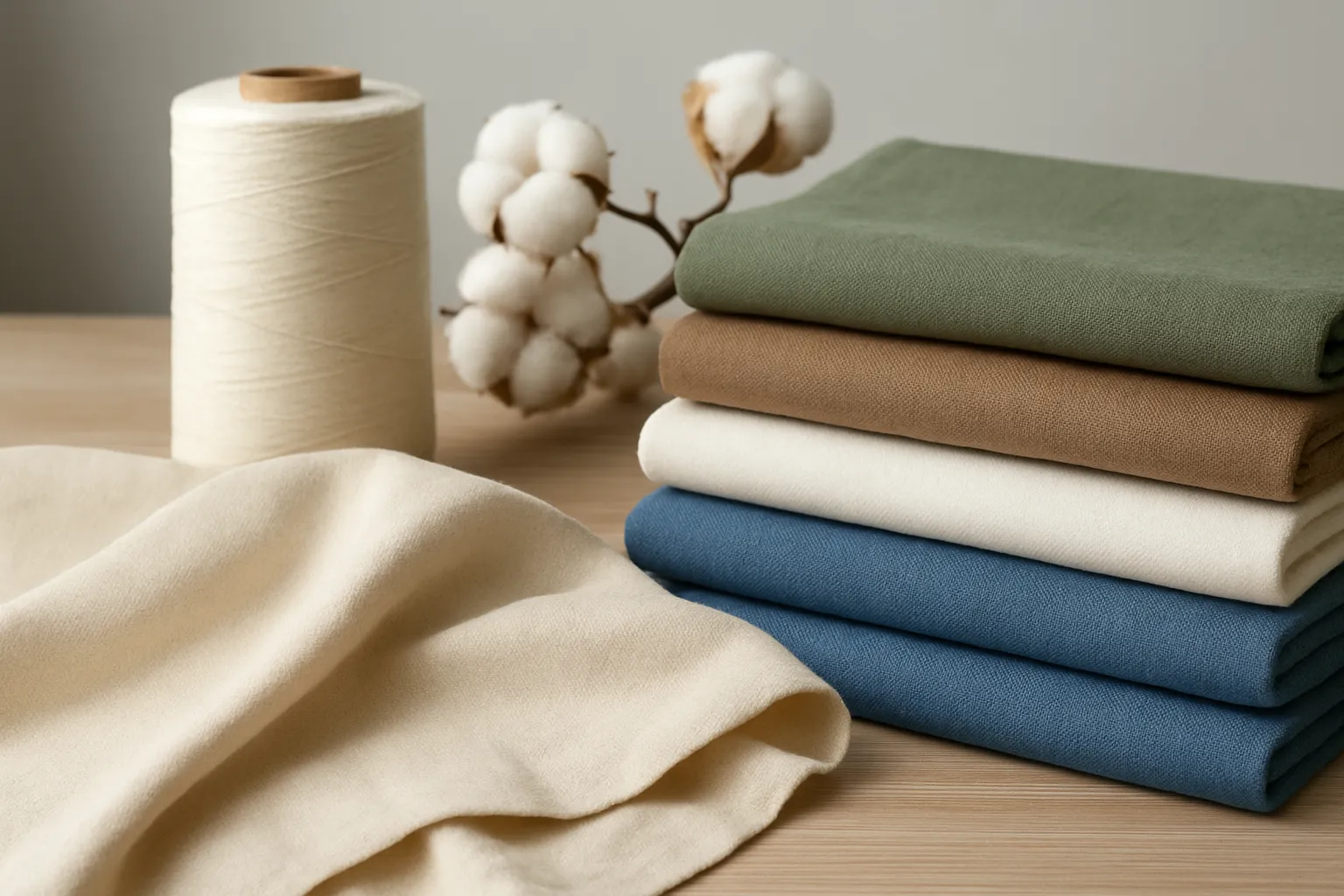
Cotton fabric has long been a cornerstone in apparel manufacturing, renowned for its versatility, comfort, and breathability. As one of the most commonly used textiles, cotton is a favorite among designers and manufacturers alike due to its adaptability to various clothing styles and consumer preferences. In my experience, understanding the nuances of cotton fabric is crucial for manufacturers aiming to produce high-quality apparel that meets market demands.
In the realm of apparel manufacturing, fabric selection significantly influences the final product’s quality, durability, and appeal. Therefore, choosing the right cotton fabric is not merely a matter of preference; it is a strategic decision that can impact a brand’s success. This article will walk you through the critical considerations and specifications necessary for selecting the ideal cotton fabric for your apparel manufacturing needs.
When it comes to selecting cotton fabric for apparel, several key specifications must be considered, as they directly affect the fabric’s performance and suitability for various applications.
The weight and thickness of cotton fabric determine its drape, durability, and overall feel. Fabric weight is measured in grams per square meter (GSM), with lighter fabrics (around 100-150 GSM) being ideal for summer wear, while heavier fabrics (200 GSM and above) are often used for outerwear or winter clothing. Understanding the intended use of the garment is essential in selecting the appropriate weight and thickness.
The weave of cotton fabric affects its texture, breathability, and appearance. Common weave types include plain, twill, and satin. Plain weaves are strong and durable, making them perfect for everyday wear. Twill weaves, characterized by their diagonal patterns, offer a softer feel and enhanced drape, ideal for both casual and formal garments. Satin weaves provide a luxurious finish, commonly used in evening wear. Each weave type brings unique characteristics that can significantly influence the garment’s overall aesthetic and functionality.
Color fastness refers to how well a fabric retains its color when exposed to washing, light, and other environmental factors. For apparel manufacturing, ensuring that the cotton fabric has good color fastness is crucial for maintaining the garment’s appearance over time. Durability is equally vital; fabrics should withstand wear and tear while retaining their shape and color. In my opinion, manufacturers should prioritize sourcing cotton that meets industry standards for both color fastness and durability.
Cotton fabric’s versatility makes it suitable for various apparel categories. Here are some common use cases:
Cotton is synonymous with comfort, making it a go-to choice for casual wear. T-shirts, jeans, and summer dresses made from cotton are staples in many wardrobes. The fabric’s breathability and softness contribute to its widespread appeal, especially in warmer climates.
With the rise of athleisure, cotton has carved its niche in activewear. While traditional cotton may not wick moisture as effectively as synthetic materials, innovative blends incorporating spandex or polyester have enhanced its performance. These blends provide the comfort of cotton while offering the stretch and moisture-wicking properties essential for active lifestyles.
As sustainability becomes increasingly important in the fashion industry, organic cotton has gained popularity. This eco-friendly option is cultivated without harmful pesticides or fertilizers, making it a preferred choice for brands focused on sustainability. In my view, apparel manufacturers are increasingly incorporating organic cotton into their collections to meet consumer demand for environmentally responsible products.
Understanding the differences between various types of cotton fabrics can aid manufacturers in making informed decisions.
Organic cotton is grown without synthetic chemicals, promoting environmental sustainability and better working conditions for farmers. Conventional cotton, while more widely available and often less expensive, can have a higher environmental impact. Brands aiming for sustainability should weigh the long-term benefits of using organic cotton.
Cotton blends combine cotton with other fibers (such as polyester or rayon) to enhance certain properties like durability, stretch, and moisture-wicking capabilities. Pure cotton, while comfortable and breathable, may not always meet performance criteria for specific applications. Manufacturers should assess the intended use of the garment when deciding between blends and pure cotton.
Specialty cotton fabrics, such as denim, sateen, and muslin, offer unique characteristics suited for specific applications. Denim, for instance, is a durable cotton fabric perfect for jeans and jackets, while sateen provides a luxurious sheen ideal for formal wear. Understanding the properties of these specialty fabrics can help manufacturers choose the right material for their designs.
Finding the right cotton fabric for apparel manufacturing requires careful sourcing and evaluation.
Partnering with trustworthy suppliers is essential for ensuring consistent quality and timely delivery. Manufacturers should conduct thorough research on potential suppliers, seek recommendations, and verify their reputation within the industry. Establishing long-term relationships with reliable suppliers can lead to improved pricing and priority service.
Quality assessment is critical when sourcing cotton fabric. Manufacturers should request samples to evaluate the fabric’s feel, durability, and overall appearance. Additionally, reviewing certifications (such as OEKO-TEX or GOTS for organic cotton) can provide assurance of the fabric’s quality and safety.
Cost is always a consideration in apparel manufacturing. Manufacturers must balance quality with budget constraints. While high-quality cotton may come at a premium, investing in superior fabric can enhance the final product’s appeal and longevity, potentially leading to increased sales and customer satisfaction.
Once the right cotton fabric is sourced, manufacturers need effective strategies for integrating it into their production processes.
Manufacturers should develop clear guidelines for working with cotton fabrics, including cutting, sewing, and finishing techniques. In my experience, training staff on the specific requirements of cotton can significantly improve efficiency and reduce waste.
Implementing stringent quality control measures is crucial to ensure that final products meet desired standards. Regular inspections throughout the production process can help identify and address issues before they escalate.
Effective inventory management is vital for maintaining production flow. Manufacturers should establish a reliable supply chain to ensure a steady supply of cotton fabric, minimizing disruptions and delays in production.
Here are some common inquiries regarding cotton fabric:
Many misconceptions surround cotton fabric, such as the belief that all cotton is the same. In reality, the quality, type, and processing of cotton can vary significantly, impacting the fabric’s performance and suitability for diverse applications.
Proper maintenance of cotton apparel is essential for longevity. Washing in cold water, avoiding bleach, and air drying can help preserve the fabric’s integrity and color. Manufacturers should provide care instructions to consumers to enhance customer satisfaction.
The environmental impact of cotton production is a growing concern. Manufacturers should consider sourcing organic cotton or implementing sustainable practices in their production processes to minimize their ecological footprint.
Choosing the right cotton fabric for apparel manufacturing is a multifaceted decision that requires careful consideration of specifications, use cases, and sourcing strategies. By understanding the unique properties of different cotton types and implementing effective production processes, manufacturers can create high-quality garments that meet consumer demands. As the industry continues to evolve, staying informed about trends, sustainability, and fabric innovations will be essential for success in the competitive apparel market.